Primark's 'Preemark' Campaign: Unpacking the UK Pronunciation Debate and What it Means for the Brand
For years, a subtle linguistic divide has quietly hummed beneath the surface of the UK's high streets, sparking good-natured arguments and playful banter. The culprit? The pronunciation of one of the nation’s most beloved fast-fashion retailers: Primark. Is it 'Pry-mark' or 'Pree-mark'? This enduring debate recently took centre stage with a *primark major announcement* that transformed its Scottish stores into 'Preemark' – a brilliant marketing move that celebrated a significant milestone and cleverly engaged its diverse customer base. This article delves into the heart of this pronunciation controversy, explores the genius behind the 'Preemark' campaign, and examines its strategic implications amidst broader business challenges facing the retail giant.
The Great British Pronunciation Divide: 'Pry-mark' vs. 'Pree-mark'
The 'Pry-mark' versus 'Pree-mark' debate is more than just a matter of phonetics; it’s a fascinating reflection of regional dialects and cultural identity across the United Kingdom. For many, particularly in England, the dominant pronunciation aligns with the 'Pr-eye-mark' interpretation, treating the 'i' as a long 'i' sound, similar to 'primary' or 'private'. Indeed, Primark's own FAQ page states, "We like to use Pr-Eye-Mark." This official stance, however, has done little to quell the alternative.
In other parts of the UK, most notably Scotland, Wales, and Northern Ireland, the 'Pree-mark' pronunciation holds sway. Shoppers in these regions instinctively opt for a long 'e' sound, making it 'Pree-mark'. This isn't a modern invention; it's deeply ingrained in local speech patterns and has been a part of their shopping lexicon for decades. As one TikTok user, responding to the campaign, proudly declared, "We’ve been calling it Preee-mark in Wales for years," while another from Northern Ireland echoed, "always called it 'preemark' in Northern Ireland, love it as an ad campaign."
The persistence of these differing pronunciations highlights how brand names can evolve organically within communities, taking on local flavour and becoming part of the regional vernacular. For a brand as ubiquitous as Primark, which is a fixture in nearly every major town and city, this informal linguistic divergence speaks volumes about its deep integration into the daily lives of millions. It’s a testament to its widespread appeal and the personal connection people feel towards the brand, enough to claim their own version of its name.
Scotland's Golden Jubilee: The 'Preemark' Campaign Unveiled
In a stroke of marketing genius, Primark transformed this lighthearted national debate into a celebratory *primark major announcement*. To mark five decades of presence on the Scottish high street, the retailer launched its temporary 'Preemark' campaign, a direct nod to how many of its loyal Scottish customers and colleagues pronounce its name. This wasn't merely a small gesture; it was a full-scale, immersive takeover of its Scottish operations.
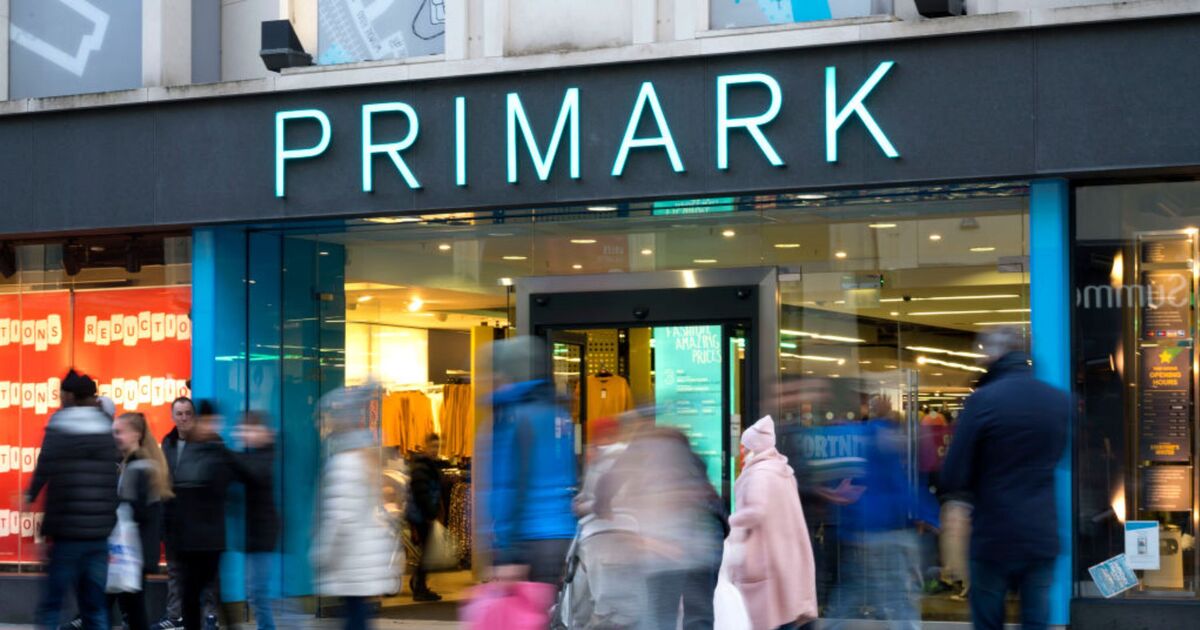
From August 13th to 24th, all 21 Primark stores across Scotland underwent a temporary rebrand. Iconic locations such as Hamilton, Edinburgh Princes Street, and Glasgow’s Argyle Street experienced full "Preemark" store takeovers, complete with updated exterior signage. Footage shared widely on social media, particularly TikTok, showed the original "PRI" part of the name cleverly crossed out, replaced by "PREE" and accompanied by banners proclaiming "Pronounced PREEMARK." The remaining 18 Scottish stores featured themed window activations, ensuring the campaign's message resonated across the entire nation.
Gavin O’Reilly, area manager for Primark Scotland West and Cumbria, articulated the sentiment behind this powerful initiative: “Our loyal Scottish shoppers have been instrumental to our success over the last 50 years, so we thought it was high time we acknowledged it in true Primark style." He added, "It’s a proud moment for all our stores to be celebrating our milestone together with a fun ‘Preemark’ nod, which is simply what we know our Scottish shoppers and colleagues are calling us every day anyway!”
The campaign immediately sparked renewed, albeit playful, arguments online, fulfilling its goal of generating buzz and engagement. It demonstrated Primark’s willingness to listen to its customers, embrace regional identity, and celebrate its long-standing presence in a way that felt authentic and appreciative.
Beyond the Hype: Primark's Strategic Landscape and Future Moves
While the 'Preemark' campaign garnered widespread attention and goodwill, it also played out against a backdrop of significant strategic considerations and financial updates from Primark's parent company, Associated British Foods (AB Foods). This *primark major announcement* on pronunciation, therefore, serves a dual purpose: celebrating heritage while subtly reinforcing brand connection during a period of potential corporate transformation.
AB Foods recently revealed that it is undertaking a strategic review of its corporate structure, weighing up the possibility of separating Primark from its diverse food operations, which include household brands like Kingsmill, Blue Dragon, Twinings, and Ryvita. This potential split could represent a fundamental shift in the company's long-term strategy, allowing both the fashion retailer and the food divisions to pursue more focused growth paths. For a deeper dive into this significant development, you can read more at
Primark Set for Major Split? AB Foods Considers Separating Retail Arm.
Financially, AB Foods reported an adjusted pre-tax profit of £1.7 billion for the 12 months ending September 13th, a 13% decline from the previous year. While Primark’s turnover edged up 1% year-on-year to £9.5 billion, this growth was primarily driven by an improved performance in the latter half of the period, offsetting a sluggish start. The company cited "particularly weak shopping activity within elements of Primark's customer base" as consumers tightened their belts, leading to a 3.1% fall in UK and Ireland like-for-like sales. Further insights into their financial performance and strategy can be found in
Primark Profits Dip: How AB Foods Plans to Navigate Market Challenges.
Amidst these financial pressures and strategic deliberations, the 'Preemark' campaign underscores the enduring importance of customer loyalty and brand affection. By celebrating its deep roots in a key market like Scotland and acknowledging the local pronunciation, Primark strategically reinforces its connection with shoppers. This move is a reminder that even as the corporate structure might evolve or profits fluctuate, a strong, resonant brand identity and a loyal customer base remain invaluable assets.
The Power of Playful Engagement: Lessons for Modern Brands
The 'Preemark' campaign offers a masterclass in modern marketing, providing valuable lessons for brands striving to connect authentically with their audience:
1.
Listen to Your Customers: Primark didn't ignore the pronunciation debate; it embraced it. Acknowledging and validating how customers interact with your brand, even informally, fosters a sense of being heard and understood.
2.
Embrace Quirks and Local Identities: Brands operate in diverse markets. Recognizing and celebrating regional nuances, such as pronunciation or local traditions, can build stronger community ties and foster loyalty beyond generic marketing.
3.
Turn Debates into Opportunities: What might seem like a trivial argument can be a powerful engagement tool. By injecting humour and playfulness into a long-standing debate, Primark generated widespread conversation, social media buzz, and positive sentiment.
4.
Authenticity Over Rigidity: While Primark has an "official" pronunciation, its willingness to temporarily defer to local usage demonstrates flexibility and authenticity. This approach humanises the brand and makes it more relatable.
5.
Leverage Social Media for Two-Way Conversation: The campaign’s success was amplified by its organic spread on platforms like TikTok, where users actively participated in the debate, shared their own pronunciations, and applauded the initiative. This generated valuable earned media and deepened engagement.
Ultimately, the 'Preemark' campaign illustrates how even a simple linguistic detail can be leveraged into a powerful, culturally resonant marketing strategy. It showcases Primark's ability to remain playful and deeply connected to its customer base, even as it navigates the complex waters of corporate strategy and a challenging retail environment.
In conclusion, Primark's 'Preemark' campaign was a brilliant *primark major announcement* that did more than just mark a 50-year milestone in Scotland. It deftly navigated a long-running national pronunciation debate, transforming a minor linguistic quirk into a significant cultural moment. By acknowledging and celebrating how its customers truly connect with the brand, Primark not only generated immense goodwill and engagement but also strategically strengthened its brand identity. This masterstroke of customer-centric marketing serves as a powerful reminder that in an ever-evolving retail landscape, understanding and embracing the nuances of your customer base remains paramount, even amidst strategic reviews and fluctuating profits. The brand's ability to remain rooted in the hearts (and varied pronunciations) of its shoppers is a testament to its enduring appeal and clever strategic foresight.