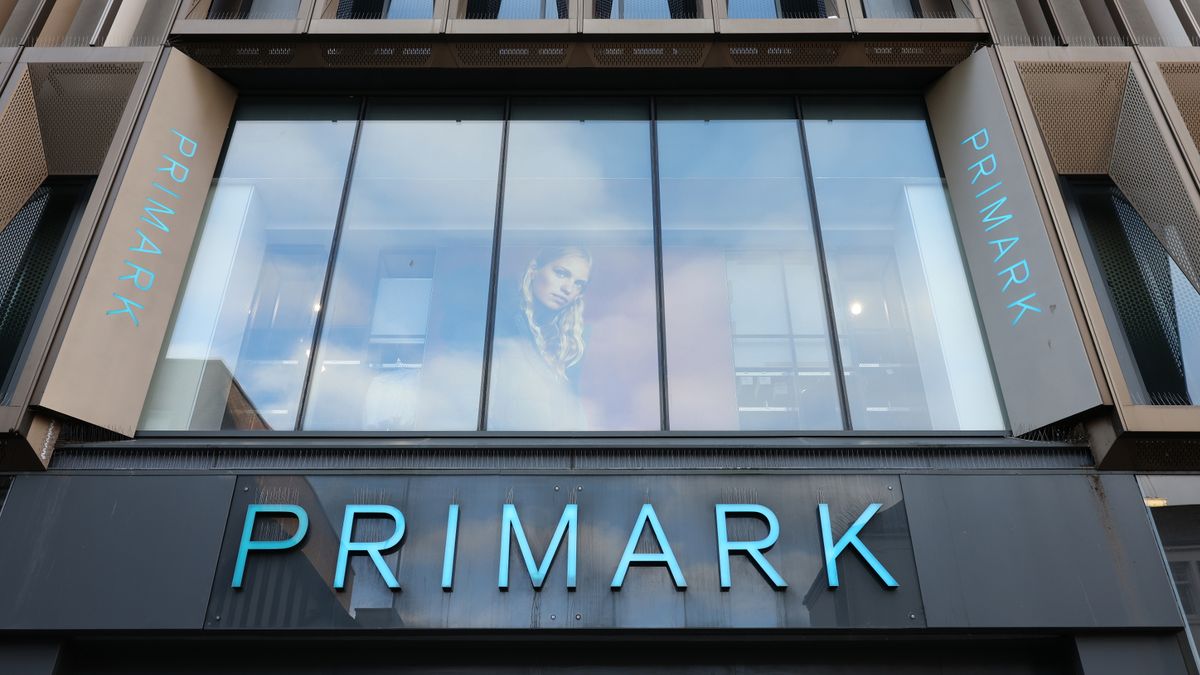
Primark Navigates Turbulent Waters: Profits Dip as AB Foods Charts a New Course
Associated British Foods (AB Foods), the diversified conglomerate behind the beloved fast-fashion giant Primark, finds itself at a pivotal juncture. Recent financial results have unveiled a dip in yearly profits, prompting a comprehensive strategic review that could fundamentally reshape the company's structure. This
Primark major announcement signals a proactive response to evolving market challenges, with implications not just for the retail sector but also for AB Foods' extensive food operations. As consumers tighten their belts and economic pressures persist, understanding these strategic shifts is key to anticipating the future trajectory of one of the UK's most recognizable high street names.
Navigating the Headwinds: Primark's Recent Financial Performance and Market Challenges
The financial landscape for AB Foods has shown a mixed picture, reflecting broader economic uncertainties. The company reported an adjusted pre-tax profit of £1.7 billion for the 12 months ending September 13, a notable 13% decline from the previous year. This downturn underscores the significant pressures facing businesses in the current climate, particularly those reliant on consumer spending.
Despite the overall profit dip, Primark, the retail crown jewel, managed to see its turnover edge up by 1% year-on-year, reaching £9.5 billion. However, this modest growth was largely buoyed by an improved performance in the latter six months, which helped to offset a sluggish start to the period. AB Foods identified "particularly weak shopping activity within elements of Primark's customer base" as a primary driver for the initial slowdown, a clear indication that the cost-of-living crisis is compelling consumers to exercise greater caution with their discretionary spending. This was further evidenced by a 3.1% fall in like-for-like sales across the UK and Ireland compared to the previous year.
The turnaround in the second half of the year can be attributed to several strategic initiatives. AB Foods highlighted an "enhanced product range," particularly within womenswear, which resonated well with shoppers. Moreover, greater digital interaction following the recent launch of a mobile application in certain markets proved instrumental in re-engaging customers and driving traffic, both online and ultimately in-store. This blend of product innovation and digital accessibility appears to be a crucial component of Primark's strategy to maintain its competitive edge in a challenging retail environment.
A Strategic Crossroads: AB Foods Considers a Major Corporate Split
Perhaps the most significant
primark major announcement emerging from AB Foods' recent update is the revelation of a strategic review into its corporate structure. The company is actively weighing up whether to separate Primark from its diverse food operations, a move that could unlock new avenues for growth and efficiency. This potential restructuring reflects a desire to optimize the value of each business segment by allowing them to pursue independent strategies tailored to their respective market dynamics.
Currently, AB Foods is a conglomerate with a broad portfolio that extends far beyond fashion. Alongside Primark, it operates a substantial grocery division encompassing household names like Kingsmill, Blue Dragon, Jordans, Twinings, and Ryvita. It also boasts an ingredients division and a significant sugar business. While retail sales growth in Primark offered some positive momentum, it was notably counterbalanced by a 10% decline in the sugar division, underscoring the challenges of managing such a diverse array of businesses under one roof.
The Rationale Behind a Potential Split:
*
Unlocking Value: A separation could allow investors to value Primark and the food businesses independently, potentially leading to higher valuations for each.
*
Focused Management: Dedicated management teams for each entity could concentrate entirely on their core operations, fostering greater agility and strategic clarity.
*
Tailored Investment: Each business could attract investment specific to its growth profile and capital requirements, rather than competing for resources within a larger group.
*
Market Responsiveness: Primark, with its rapid fashion cycles, operates very differently from a stable food ingredients or sugar business. A split could allow each to respond more quickly to industry-specific trends and disruptions.
While AB Foods has clarified that no final decision has been reached, the fact that this strategic review is being publicly discussed indicates a serious consideration of this transformative step. Should it proceed, it would represent one of the most significant corporate realignments in recent UK business history, creating two distinct entities with clearer paths for growth and innovation. For more detailed insights into this potential separation, refer to
Primark Set for Major Split? AB Foods Considers Separating Retail Arm.
The 'Preemark' Phenomenon: A Glimpse into Primark's Brand Strategy
Amidst the financial recalibrations and strategic reviews, Primark has also captured public attention with a far lighter, yet equally effective, marketing initiative. The retailer recently launched a unique campaign embracing the long-running, good-natured debate among UK shoppers regarding the pronunciation of its name. This
primark major announcement, though not financial, speaks volumes about the brand's engagement with its customer base.
For decades, Britons have been divided: is it "Pr-eye-mark" or "Pree-mark"? In a clever nod to its Scottish customers, where "Pree-mark" is particularly prevalent, the chain temporarily rebranded its 21 Scottish stores to 'Preemark' for a limited period, celebrating five decades on the Scottish high street. Full 'Preemark' store takeovers, complete with signage showing the "PRI" crossed out and "PREE" written above, appeared in key locations like Hamilton, Edinburgh Princes Street, and Glasgow’s Argyle Street.
Footage of the 'Preemark' signage quickly went viral on social media platforms like TikTok, sparking further debate and eliciting enthusiastic responses from shoppers across the UK and Ireland who claimed to have always pronounced it "Pree-mark." While some purists insisted it should be "Pr-eye-mark" due to the spelling, Primark's official FAQ page clarifies their preference for "Pr-Eye-Mark." However, the campaign, as Gavin O’Reilly, area manager for Primark Scotland West and Cumbria, stated, was a "fun ‘Preemark’ nod" to their loyal Scottish shoppers.
Why the 'Preemark' Campaign Matters Amidst Profit Dips
This seemingly trivial marketing stunt holds significant weight when viewed through the lens of Primark's current financial challenges. While AB Foods grapples with falling profits and structural questions, Primark is actively investing in and strengthening its brand identity and customer connection.
*
Community Building: By acknowledging and celebrating a customer-driven linguistic quirk, Primark fostered a sense of community and inclusion.
*
Earned Media: The campaign generated considerable buzz and free publicity across social media and traditional news outlets, a highly cost-effective way to stay relevant.
*
Brand Humanization: It showcased a brand that doesn't take itself too seriously, is responsive to its audience, and is willing to engage in a lighthearted manner, building goodwill.
*
Customer Loyalty: In times of economic strain, maintaining an emotional connection with consumers can be as vital as price points. This campaign undoubtedly reinforced loyalty among its existing customer base and potentially attracted new ones intrigued by the buzz.
The 'Preemark' campaign serves as a powerful reminder that even as corporate entities navigate complex financial decisions, the power of authentic brand engagement remains a critical asset. For a deeper dive into this engaging campaign, check out
Primark's 'Preemark' Campaign: Unpacking the UK Pronunciation Debate.
Practical Insights for Businesses in a Changing Market
The developments at AB Foods and Primark offer valuable lessons for businesses operating in today's dynamic environment:
- Embrace Digital Transformation: Primark's improved second-half performance, partly credited to its mobile app, highlights the non-negotiable importance of digital engagement. Businesses must invest in user-friendly online platforms and mobile solutions to meet evolving consumer habits.
- Agility in Product and Strategy: Adapting product ranges (e.g., Primark's enhanced womenswear) in response to customer feedback and market trends is crucial. Sticking rigidly to old models can be detrimental.
- Regular Strategic Reviews: AB Foods' consideration of a corporate split exemplifies the need for companies, especially conglomerates, to regularly evaluate their structure for optimal performance, value creation, and focus. Don't be afraid to question long-standing arrangements.
- Authentic Brand Engagement: The 'Preemark' campaign demonstrates that even seemingly trivial elements of brand interaction can create significant impact. Authentic, community-driven marketing fosters loyalty and generates valuable buzz, often at a low cost.
- Understand Your Customer Base: Recognizing "weak shopping activity" among certain customer segments allows for targeted interventions, whether through product changes, promotions, or enhanced digital services.
Conclusion: A Future of Adaptation and Opportunity
The recent
primark major announcement from Associated British Foods paints a picture of a company facing significant economic pressures but actively responding with strategic foresight. The dip in profits underscores the broader challenges within the retail sector, yet Primark's resilience in the latter half of the year, driven by product innovation and digital reach, offers a beacon of hope. The potential corporate split is a bold move that could redefine the future trajectories of Primark and AB Foods' food divisions, enabling each to pursue more focused growth strategies. Simultaneously, the success of the 'Preemark' campaign reminds us that amidst the serious financial decisions, maintaining a vibrant, engaged brand identity is paramount. As AB Foods navigates these turbulent waters, its ability to adapt strategically, innovate digitally, and connect authentically with its customers will be key to ensuring sustained success and profitability in the years to come.